
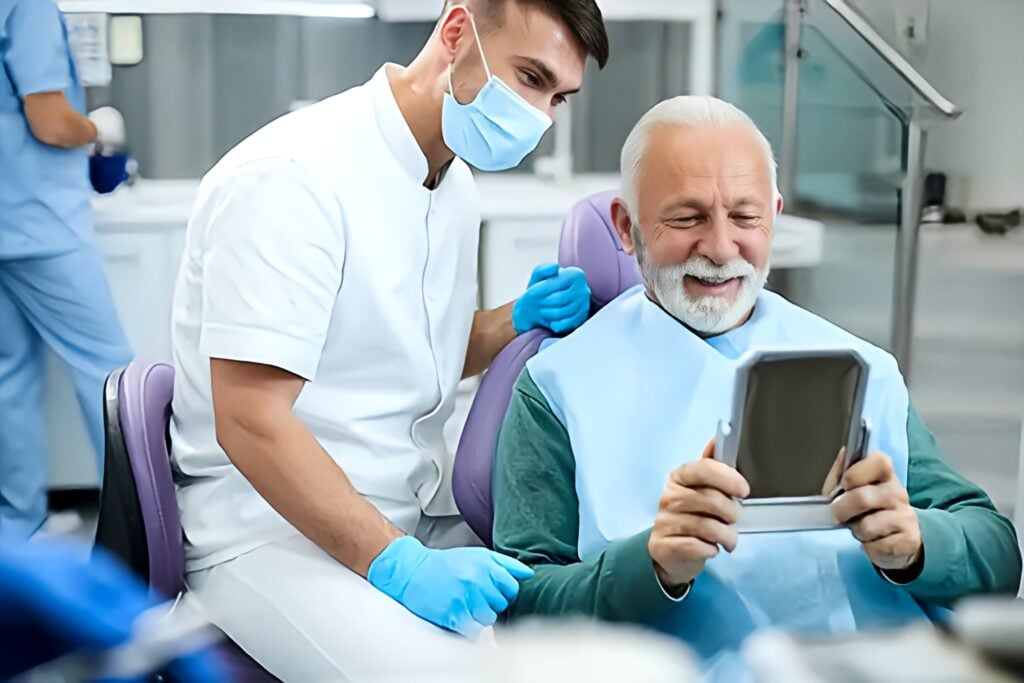
Dental implants are a fantastic advancement in restoration dentistry, allowing people to regain a confident smile and improve their ability to eat and speak comfortably.
Understandably, people sometimes worry about whether their body will accept the implant.
While "implant rejection" isn't quite the same as organ rejection, where the body attacks a foreign object, there are factors that can lead to implant failure.
The good news is that by understanding these factors and taking proactive steps, you can significantly increase your chances of a successful and long-lasting implant.
Let's explore how you can contribute to a positive outcome.
Understanding the Risks
Before diving into prevention, it's important to understand what can cause problems with dental implants. One of the main reasons implants fail is due to a lack of osseointegration. This is the process where the bone actually grows around and fuses with the implant. If this doesn't happen properly, the implant can become loose and eventually fail.
Another factor is infection, also known as peri-implantitis. This is inflammation of the gums and bone around the implant, which can lead to bone loss and implant failure. Poor oral care is often a major contributor to this type of infection. Certain medical conditions and lifestyle choices can also increase the risk of implant problems.
Lifestyle Choices Matter
Your daily habits play a huge role in implant success. Smoking is one of the biggest risk factors. Smoking restricts blood flow to the gums, hindering the healing process and increasing the risk of infection. Quitting smoking, even before getting implants, is one of the best things you can do for your oral health and implant success.
Maintaining a healthy diet is also important. A balanced diet provides the nutrients your body needs to heal properly and maintain strong bones. Limiting sugary drinks and processed foods can help prevent plaque buildup and reduce the risk of gum disease.
Oral Care is Key
Excellent oral care is absolutely essential for preventing implant complications. This means brushing your teeth at least twice a day with a soft-bristled toothbrush and fluoride toothpaste. Pay close attention to cleaning around the implant site, being gentle but thorough.
Flossing daily is equally important. Floss helps remove plaque and food particles from between your teeth and around the implant, areas that your toothbrush can't reach. There are also special types of floss and interdental brushes designed specifically for cleaning around implants.
In addition to brushing and flossing, consider using an antimicrobial mouthwash. This can help kill bacteria in your mouth and reduce the risk of infection. Regular check-ups with your dentist are also crucial. Your dentist can monitor the health of your implant and identify any potential problems early on.
Working with Your Dental Team
Choosing an experienced oral surgeon or dentist for your implant placement is a critical step. They will thoroughly evaluate your oral health and bone density to determine if you're a good candidate for implants. They'll also use advanced techniques and high-quality materials to ensure the implant is placed correctly.
After the implant is placed, follow your dentist's instructions carefully. This may include taking antibiotics to prevent infection, using a special mouthwash, and avoiding certain foods. Attend all of your follow-up appointments so your dentist can monitor your healing and make any necessary adjustments.
By taking these steps, you can significantly lower your chances of experiencing issues with your dental implants and enjoy a healthy, beautiful smile for many years to come.