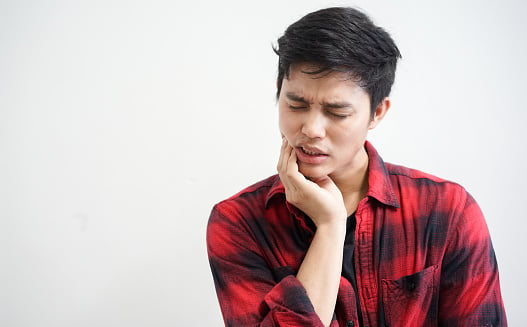
Have you ever noticed someone whose face seems a little lopsided? Or maybe you've experienced discomfort when chewing or speaking? These could be signs of uneven jaw growth, a condition that can affect your appearance, your ability to chew properly, and even your overall well-being. Let's explore what this means and what potential issues can arise.
What is Uneven Jaw Growth?
Our jaws are made up of two main bones: the maxilla (upper jaw) and the mandible (lower jaw). Ideally, these bones grow in proportion to each other. However, sometimes one jaw grows faster or slower than the other, resulting in a mismatch. This uneven growth can cause a variety of problems.
Potential Problems Caused by Uneven Jaw Growth
One of the most noticeable consequences is an altered facial appearance. An overbite, underbite, or crossbite can develop, impacting your profile and smile. Beyond aesthetics, there are functional issues to consider.
Difficulty Chewing: When your jaws don't align properly, it can be hard to chew food thoroughly. This can lead to digestive problems and make it challenging to eat certain foods.
Speech Difficulties: The position of your jaws and teeth plays a vital role in clear speech. Uneven jaw growth can affect your ability to pronounce certain sounds correctly.
Jaw Pain and Headaches: Misalignment of the jaws can put stress on the temporomandibular joint (TMJ), which connects your jaw to your skull. This can result in TMJ disorders (TMD), characterized by jaw pain, headaches, and clicking or popping sounds in the jaw joint.
Increased Risk of Dental Problems: Crowded teeth, difficulty cleaning between teeth, and abnormal wear and tear on tooth enamel are more common when the jaws are misaligned. This can increase the risk of cavities, gum disease, and tooth loss. Good oral care is paramount to combating these issues.
Sleep Apnea: In some cases, a receding lower jaw can contribute to sleep apnea, a condition where you stop breathing for short periods during sleep.
What Causes Uneven Jaw Growth?
Several factors can contribute to uneven jaw growth. Genetics often plays a role, meaning it can run in families. Certain habits, such as thumb-sucking or prolonged use of pacifiers during childhood, can also affect jaw development. Injuries to the jaw can sometimes disrupt normal growth patterns.
Addressing Uneven Jaw Growth
The approach to addressing uneven jaw growth depends on the severity of the problem and the age of the patient. In growing children and adolescents, interceptive orthodontics can sometimes guide jaw growth and minimize the need for more extensive treatment later on. Orthodontic treatment, such as braces or aligners, can help to straighten teeth and improve the bite. In more severe cases, corrective jaw procedures might be considered to reposition the jaws and improve overall facial harmony and function. Following any treatment, continued commitment to good oral care is essential.
The Importance of Early Evaluation
If you suspect you or your child has uneven jaw growth, it's important to seek an evaluation from a qualified professional. Early detection and intervention can often prevent more serious problems from developing. A thorough examination, including x-rays and other diagnostic tools, can help determine the extent of the problem and the best course of action. Additionally, consulting with professionals experienced in restoration dentistry can address any existing dental issues resulting from jaw misalignment.