
Why We Trust Intraoral Cameras Over Just X-rays

Sep 1, 2026

Let's explore how we get a really good look inside your mouth. Think of it like this: X-rays are like looking at a map, showing you the roads, but not the color of the houses. Intraoral cameras, on the other hand, are like a video tour, showing you everything in detail. While X-rays are incredibly valuable, intraoral cameras bring a whole new level of understanding to your oral care.

The Power of Seeing is Believing

X-rays are fantastic for seeing things we can't see with our eyes alone, like cavities between teeth, the roots of your teeth, and bone levels. They use radiation to create an image of the dense tissues in your mouth. However, they don’t show soft tissues very well and can sometimes miss early signs of problems on the surfaces of your teeth.

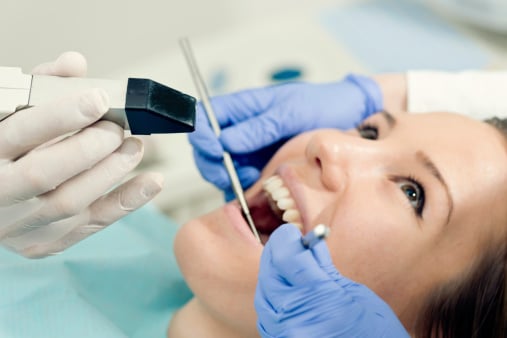
An intra oral camera is a small, handheld video camera that we use to take real-time pictures and videos inside your mouth. These images are displayed on a screen, allowing both you and the dental team to see exactly what's going on. It's like having a magnifying glass with a light that can reach every corner of your mouth.

Advantages of Intraoral Cameras

The biggest advantage is the clear, detailed view. We can see cracks in teeth, early signs of decay, and even problems with existing fillings or crowns. The high-resolution images allow for a much more accurate diagnosis than relying on just X-rays alone.

Intraoral cameras also help us to document the condition of your mouth over time. We can save the images and compare them at future visits to monitor any changes. This is especially useful in tracking the progress of treatment or identifying potential problems before they become serious.

Collaboration and Understanding

One of the best things about using an intraoral camera is that it allows you to see what we see. This can be a huge help in understanding your treatment plan and making informed decisions about your oral health. When you can see the problem for yourself, it makes it easier to understand why a particular treatment is necessary.

A Team Approach to Oral Health

While I am an oral surgeon, I work with general dentists and restoration dentistry specialists who find intraoral cameras invaluable. A restoration dentist can use the images to plan a crown, bridge, or implant with greater precision. It's a collaborative tool that benefits everyone involved in your oral care.

Improving Your Oral Care

Ultimately, the goal is to provide you with the best possible oral care. By using intraoral cameras in addition to X-rays, we can get a more complete picture of your oral health, leading to more accurate diagnoses, better treatment plans, and a greater understanding for you. It's a powerful tool that helps us work together to keep your smile healthy and beautiful.

Virginia Beach, VA

Things to Stop Doing to Reduce TMJ Pain

Do you experience jaw pain, clicking, or popping when you open and close your mouth? Maybe you even get headaches or earaches? If so, you might be dealing with temporomandibular joint (TMJ) issues. The TMJ is the joint that connects your jawbone to your skull. When...

read more...

Most Common Reasons for Seeking Out an Oral Surgeon

Have you ever wondered why someone might need to see an oral surgeon? These specialists are like the architects and engineers of the mouth, tackling complex issues that go beyond regular oral care. While your general dentist is your primary care provider for your...

read more...

History of Dental Implants

Ancient Attempts The idea of replacing missing teeth isn't new. Archeologists have found evidence of people trying to do this way back in ancient times. In fact, as far back as 600 AD, the Mayan civilization used materials like carved stones and even seashells to...

read more...

Is a Root Canal the Only Option for an Infected Tooth?

Having a painful, infected tooth can be a really worrying experience. You might be picturing the worst-case scenario and wondering if a root canal is absolutely the only way to fix it. The good news is that while root canals are a common and effective treatment, there...

read more...

How to Lower Your Chances of Implant Rejection

Dental implants are a fantastic advancement in restoration dentistry, allowing people to regain a confident smile and improve their ability to eat and speak comfortably. Understandably, people sometimes worry about whether their body will accept the implant. While...

read more...

Proper Care for Dental Implants

Thinking about dental implants? That's great! They're a fantastic way to replace missing teeth and restore your smile. But like anything else you want to last, implants require some TLC. Taking good care of your dental implants is super important to make sure they...

read more...

What All Goes Into Cleft Surgery?

Imagine a puzzle, and the pieces don't quite fit together perfectly from the start. That's kind of like what happens when a baby is born with a cleft lip or cleft palate. These conditions occur when certain body parts don't fuse together completely during pregnancy....

read more...

Top Three Signs of Oral Cancer

Oral cancer is a serious disease, but early detection can make a huge difference in treatment success. It's important to be aware of the signs and symptoms so you can take prompt action if something seems unusual. While only a trained healthcare professional can...

read more...
After Liposuction How Much Weight Can You Lose?

After Liposuction How Much Weight Can You Lose?

Key Takeaways: Average Weight Loss: Liposuction typically results in the loss of about five to eleven pounds of fat. It’s important to note that the primary goal of liposuction is body contouring, not significant weight loss. Purpose of Liposuction: The procedure is...

read more...