Thinking about oral surgery can bring up a lot of questions, especially about the recovery period. One common concern is whether being sedated during the procedure will affect how you feel afterward. Let's explore how IV sedation plays a role in your recovery from oral surgery.
#1 Understanding IV Sedation
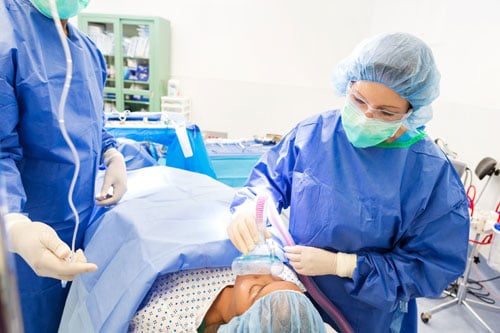
IV sedation, also known as conscious sedation, involves administering medication through a vein to help you relax during oral surgery. It doesn't put you completely to sleep like general anesthesia, but it makes you less aware of the procedure and reduces anxiety. You’ll still be able to respond to the oral surgeon's instructions, but you'll likely have little to no memory of the experience afterward.
#2 Immediate Post-Operative Period
The immediate recovery period after oral surgery, whether or not you had IV sedation, is similar. Expect some grogginess and disorientation as the sedative wears off. It's crucial to have someone drive you home and stay with you for the first few hours. The effects of the sedation can impair your judgment and coordination. Nausea is also a possibility, so it's wise to start with clear liquids and gradually reintroduce solid foods as tolerated.
#3 Impact on Pain Management
IV sedation itself doesn't directly influence the level of pain you experience after the procedure. Pain management is primarily achieved through local anesthesia administered during the surgery and pain medication prescribed afterward. However, because IV sedation reduces anxiety and muscle tension during the procedure, some patients may perceive less overall discomfort in the initial hours post-surgery.
#4 Potential Side Effects
While IV sedation is generally safe, some side effects can influence your recovery. These may include:
- Nausea: As mentioned earlier, nausea is a common side effect of many sedatives.
- Delayed Reaction Time: Your reflexes and reaction time will be slower for a period after sedation, so avoid driving or operating heavy machinery.
#5 The Importance of Proper Oral Care
Regardless of whether you had IV sedation, proper oral care following oral surgery is crucial for a smooth and successful recovery. This includes:
- Following the oral surgeon's instructions: This includes guidelines on diet, medication, and activity restrictions.
- Avoiding smoking and alcohol: These substances can hinder healing and increase the risk of complications.
#6 Long-Term Recovery
In the long term, IV sedation shouldn't significantly alter your recovery compared to a procedure performed solely under local anesthesia. The primary factors influencing long-term healing are the nature and extent of the oral surgery, your overall health, and adherence to post-operative instructions. Whether you're getting dental implants, addressing issues impacting restoration dentistry, or undergoing another type of oral surgery, diligent oral care is key.
#7 In Conclusion
While IV sedation can contribute to a more comfortable experience during oral surgery, it doesn't fundamentally change the recovery process. By following your oral surgeon's instructions and practicing good oral care, you can expect a positive outcome regardless of whether you opted for sedation. Focus on rest, proper hygiene, and careful monitoring of your healing to ensure a smooth return to your normal routine.